3A5 Directly-Heated Triode Tube Preamplifier
Tip #113
Dick Olsher (July 2026)
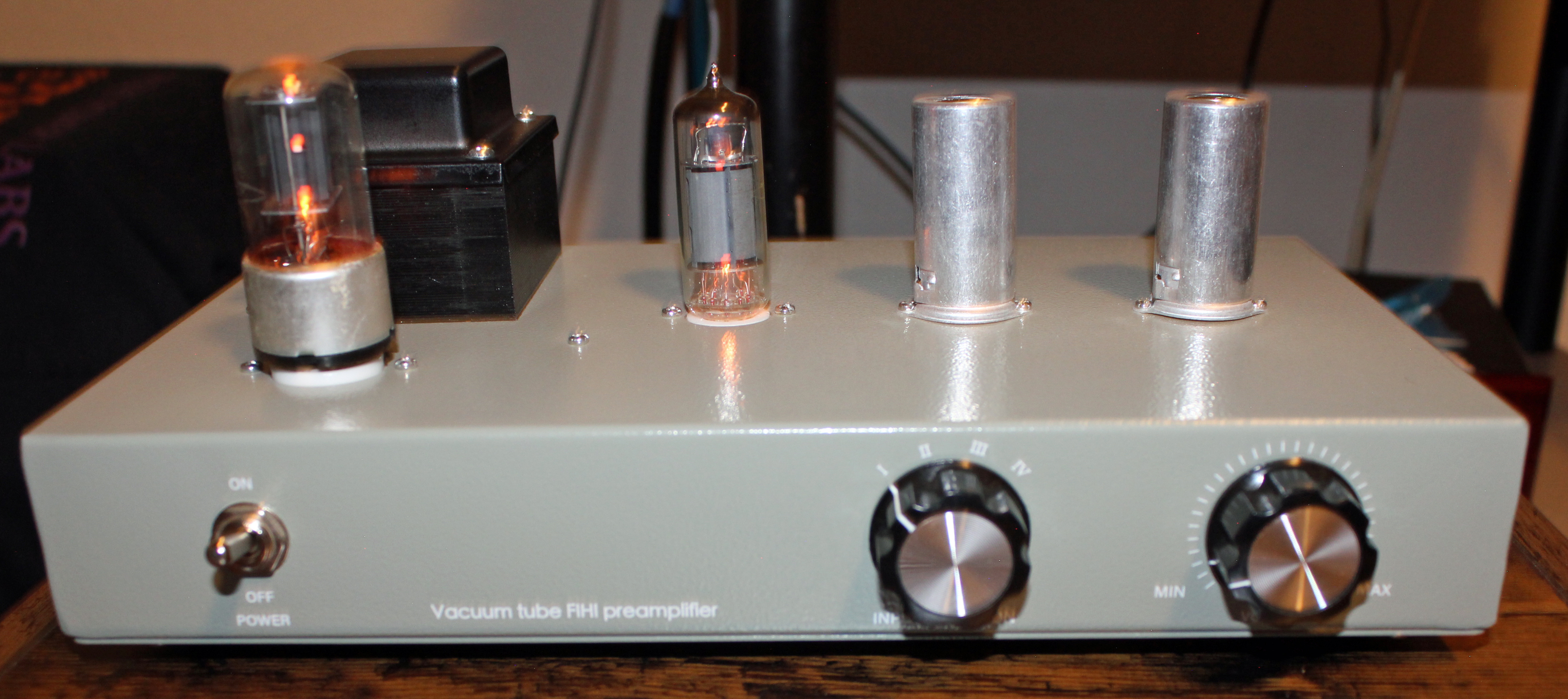
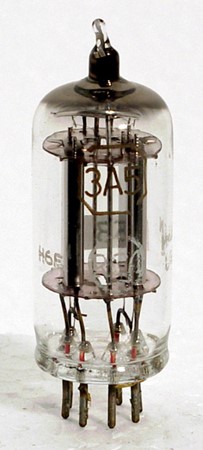 The 3A5 twin HF triode was introduced in 1942 by RCA’s Radiotron Division for use in battery-operated radio receivers and other portable equipment during World War II. The 3A5 remained in production and was commonly used in radio and audio equipment throughout the early 1950s. It is quite comfortable operating linearly at a plate voltage of only 90V. The filaments are directly-heated to reduce heating power and operate at a battery friendly voltage of 1.4V for a parallel connection. I can vouch for the fact that it captures some of that 300B magic but is much more affordable, and still readily available today as NOS for under $10.
I discovered this Chinese 3A5 preamp while surfing AliExpress. It probably originated as kit and was being offered fully assembled by a few vendors on AliExpress. Since its design history was unknown and a schematic was unavailable, I was reluctant at first to purchase a sample. But temptation won out and I ended up purchasing a unit directly from BRZ HiFi-Audio (https://brz-hifi-audio.com/products/finished-3a5-hifi-diy-stereo-direct-heating-electron-tube-preamplifier?VariantsId=16224) who appear to offer the best price and decent communication via email. As of early July, their asking price for the unit was $154.56 plus $73.60 shipping to the USA via FedEX.
The power supply is tube rectified (6Z5P) and uses a 6P1 pentode presumably as a shunt voltage regulator. One 3A5 triode is used per channel for voltage gain. The measured gain of my sample at 1 kHz was 7.4 dB. Signal-to-noise ratio is stated as 90 dB, and I can testify that this thing is super quiet. A single circuit board houses most components, which appear to be of decent quality, though I wish that from an audiophile perspective I could replace the output coupling caps. That’s something that would require a fair bit of disassembly, and without a schematic I decided not tinker with the stock layout.
Most of my critical listening was done in Listening Room #2, with a Will Vincent Dynaco ST-70 power amp driving the MoFi SP10 point source loudspeakers. The digital front end consisted of a Mac BookPro laptop running Audirvana software, Qobuz streaming, and a Schiit Audio Yggdrasil+ DAC. BTW, the latter benefits sonically from being powered on continuously and further improves from the insertion of the ALLDAC USB 3.0 isolator/regenerator between the Mac BookPro and DAC.
The 3A5 provided the Dynaco ST-70 with much needed soundstage transparency and clarity - completely transforming the character of the ST-70. As a result, image outlines were tightly portrayed and precisely arrayed across a wide soundstage – as good as I’ve previously experienced. Transparency and transient clarity were so remarkable that with my eyes closed it felt possible to reach out and touch the performers.
In these respects the 3A5 performed even better than preamps costing thousands of dollars. The midrange is simply outstanding, benefiting from the mellifluous qualities (think of flowing honey) of the 3A5 triode and convincing dynamic gradations. I’m not suggesting that this preamp is perfect. The treble could be a bit more refined which implies careful system matching. Also, the tonal balance is a bit on the leaner side with less than a fulsome bass range relative to my 6SN7 based tube preamps.
Bottom line: the 3A5 redefines what is possible at its price point and in the process puts to shame much more expensive preamps. Once heard, the 3A5’s virtues are impossible to forget. It is a wonderfully engaging line preamp that I could happily live with.